
EMERGENCY
Cyber
• Mar 30, 2026
Observability or Monitoring? Building Resilient IT Ops
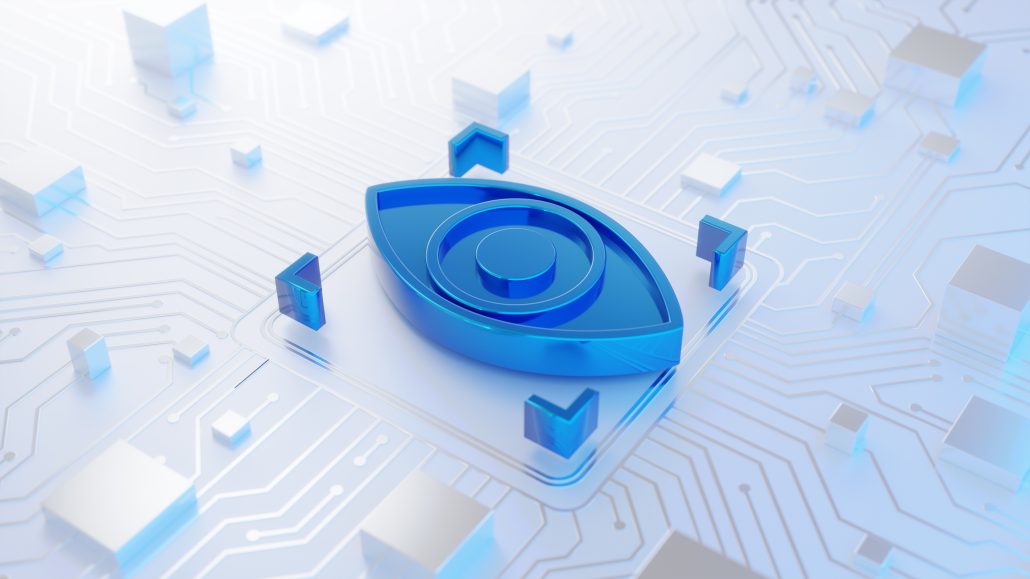
Modern IT environments have evolved into complex ecosystems spanning on-premises infrastructure, hybrid architectures, cloud workloads, distributed branches and business-critical applications. In this landscape, availability is no longer a technical metric. It is a business requirement. Traditional monitoring tools that simply generate alerts are no longer sufficient. Organizations require continuous visibility, intelligent correlation and proactive operational management to ensure performance, stability and resilience. This is where a structured 24x7 Monitoring and Observability service becomes essential.
But when you hear the term ‘observability’, what pops into your mind first?
What Is Observability?
IT Observability is a modern approach to monitoring that focuses on collecting and analyzing data from every component of the IT stack to provide deep insight into system behavior, health and performance. All in all, it refers to the ability to gain deep, real-time insights into the internal state or condition of complex systems and networks, by collecting, correlating and analyzing external outputs like data from logs, metrics, traces and events.
The key pillars of observability?
- Metrics: Quantitative measurements (CPU, memory, networks, etc.)
- Logs: Detailed events for diagnostics and auditing
- Traces: End-to-end request tracking through systems
- Events/Alarms: Key state changes triggering actions
Observability vs Traditional Monitoring: Understanding the Difference
Imagine you’re the captain of a large merchant ship navigating the waters of Antarctica. Ahead of you lies a massive glacier that you must pass in order to deliver your cargo and crew safe and sound. What you can see above the surface is only a quarter of the glacier. That’s what traditional monitoring provides. The remaining three-quarters lie hidden beneath the water, dangerous and unpredictable. That’s the part of the problem that only an observability service can reveal.
In other words, unlike traditional monitoring, which tells you what happened, observability helps you understand why it happened. When a system is highly observable, IT teams can swiftly and accurately transition from spotting a performance issue to uncovering its root cause, without the need for tedious testing or extensive coding. This means faster solutions and smoother operations, enabling teams to tackle challenges and maintain optimal performance.
Monitoring and observability are often used interchangeably, but they serve different purposes in modern IT operations. Monitoring’s sources are limited, as it focuses mostly on predefined metrics and alerts, answering questions such as whether a system is up or down, or whether a specific threshold has been exceeded. It is reactive by design, relying on known failure conditions. Moreover, root cause analysis is manual and slower, and its scalability is limited.
Observability, on the other hand, provides deeper, contextual insight into how systems behave by correlating metrics, logs, traces and APIs across the entire environment. Instead of simply detecting that a problem exists, observability helps explain why it occurred, how components are interconnected, and what the broader business impact may be. In complex hybrid and cloud infrastructures, observability enables proactive performance optimization, faster, AI-assisted root cause analysis and data-driven operational decisions, moving IT teams from reactive troubleshooting to predictive and proactive resilience, reducing Mean Time to Resolution (MTTR).
The Strategic Importance of an Integrated Support Center
An Integrated Support Center (ISC) is a critical pillar of operational resilience in modern organizations. As IT environments grow increasingly complex, spanning networks, infrastructure, applications and cloud platforms, fragmented support models create blind spots, delayed response times and inconsistent accountability. An Integrated Support Center centralizes monitoring, incident management, escalation processes and operational governance under a unified framework. This ensures continuous 24x7 oversight, coordinated response across technology layers, and clear ownership during incidents. Beyond technical troubleshooting, it provides structured communication, SLA enforcement and performance reporting, aligning IT operations with business priorities. By consolidating visibility and expertise into a single operational hub, organizations gain faster resolution, improved service continuity, and a predictable support model that scales with growth and evolving digital demands.
Neurosoft ISC and Observability: How Do They Work Together?
Neurosoft’s Observability Service is delivered through our Integrated Support Center (ISC), which acts as the operational core of our monitoring capabilities. The ISC provides 24/7 monitoring, observability and operational management across networks, servers, applications and cloud environments. Rather than focusing solely on fault detection, it enables a proactive approach to IT operations, ensuring that systems remain available, performant and aligned with business continuity goals. By integrating advanced monitoring technologies with structured operational processes and governance, the ISC elevates observability from a technical function into a strategic capability, supporting resilient and optimized digital operations.
Observability Service by Neurosoft
At Neurosoft, we deliver observability solutions that transform IT operations from reactive support into proactive performance management. Through continuous monitoring, we detect anomalies early, accelerate incident resolution and reduce Mean Time to Resolution (MTTR), ensuring stable, predictable operations aligned with SLAs. By eliminating blind spots across the entire technology stack, we help protect revenue, enhance customer experience and enable confident, data-driven decisions. Supported by our 24/7 Integrated Support Center and certified engineers, observability becomes a true driver of resilience and reliability.
Moreover, our Managed Infrastructure Services, combined with advanced Observability capabilities, provide a holistic approach to IT operations. Beyond managing infrastructure like servers, networks, storage and cloud platforms, we deliver deep, real-time visibility into system performance and dependencies. This enables proactive issue detection, faster root cause analysis and data-driven optimization of infrastructure resources. By unifying infrastructure management with observability, we help organizations ensure high availability, strengthen security and transition from reactive support to predictive, resilient operations.
Today, our observability footprint spans over 2,000 network elements and 300+ servers and AKS infrastructures, quietly powering business-critical operations. And as digital ecosystems grow in complexity, we remain committed to helping organizations not just see more, but understand more, act faster and move forward with confidence.
Find out more about Neurosoft’s Technology services here.
Read Next


Feb 25, 2026
Neurosoft Quiz - Are you ready to play?
Jan 26, 2026
TAISE Credential & AI-Powered Cybersecurity Services


Start your journey
Our team of seasoned experts is dedicated to delivering tailored solutions that perfectly align with your specific business needs and objectives. Do you want to help you navigate your path to success?