
EMERGENCY
Cyber
• Apr 16, 2026
SOC & NOC View: What We’re Seeing in Cybersecurity
The problem
We've seen this pattern play out again and again across industries. The SOC flags a suspicious lateral movement. The NOC troubleshoots a "performance degradation". Hours later, someone connects the dots, but the attacker has already moved. A real attack (e.g., data exfiltration) appears to the NOC as a bandwidth issue. A compromised host appears to be a misbehaving endpoint. The incident is split into two unrelated tickets, and a breach attempt is automatically transformed into an operational and business crisis.
Cybersecurity and network operations run in parallel but rarely in sync. While your SOC sees a threat, your NOC sees a network issue. Actually, they're looking at the same ecosystem, the same incident, but from opposite sides of the wall. However, the blind spot isn't a technology gap. It's an operational one. Two teams, two toolsets, two escalation paths. And the critical context falls through the cracks every single time.
The solution
Can you imagine your teams no longer “swivel-chair” between tools to determine whether an issue is operational/network-related or security-related? To help our customers work that way, we decided to move beyond running SOC and NOC as separate services. Instead, we engineered a Unified Operations model, where cybersecurity and network telemetry converge into a single analytical layer.
Some examples of what that means in practice?
- A DDoS attack stops being just a "cybersecurity event" handled by the SOC. It's managed simultaneously as a network availability incident (with traffic rerouting, bandwidth management and ISP coordination happening in real time) alongside threat containment.
- An anomalous traffic spike doesn't wait in a NOC queue for hours before someone asks, "Could this be malicious?" Our unified analysts are already correlating it against threat intelligence feeds.
- When a ransomware payload starts encrypting, our response isn't just "Isolate the endpoint". It's a coordinated action: network segmentation, service failover, forensic preservation and stakeholder communication, all triggered from the same battle room.
Our approach led to one team and a single escalation path. The result? Faster detection, faster response, and zero context loss. However, we were not satisfied yet. We realized something was still missing.
The missing layer
After unifying SOC and NOC, we kept asking ourselves: "The infrastructure is secure. The network is stable. So why is the application failing?" That question led us to the missing layer.
Traditional monitoring tells you if a server is up. It doesn't tell you why your customers are experiencing slow response times, why a critical API is timing out, or which microservice in a chain of fifty is actually causing the problem. Observability gives the answers to all these questions. That's why we integrated IBM Instana into our managed services portfolio, adding full-stack application observability to our unified SOC+NOC model.
What changed?
- When the SOC detects anomalous behavior on a host, IBM Instana simultaneously shows whether application performance on that host has degraded, answering the question "Is this a cybersecurity event or a network/application issue?" in seconds, not hours.
- When the NOC identifies a bandwidth spike, IBM Instana's automatic dependency mapping reveals which business transactions are affected and how the impact cascades across services.
- When an incident triggers, Neurosoft analysts don't just see infrastructure metrics. They see distributed traces, service dependencies, error rates and real-time business transaction flows, all in a single correlated view.
This is the shift from "monitoring just components" to understanding service impact.
The outcome
3:47 AM. A critical alert fires.
In a traditional setup, three teams wake up. The SOC sees a cybersecurity threat. The NOC sees a network anomaly. The app team sees degraded performance. Each team opens a separate ticket.
In our new setup? It's one incident. One response. Already underway. This isn't a hypothetical scenario. This is what our Unified Operations model (SOC + NOC + Observability) delivers every day for organizations that can't afford the luxury of slow coordination.
The results speak clearly:
- Mean Time to Detect: reduced by up to 65%, because network anomalies, security alerts and application traces are correlated instantly, not after a handoff.
- Cross-domain blind spots: eliminated. Infrastructure, cybersecurity and application telemetry converge into a single analytics layer. No event exists in isolation.
- Root cause identification: accelerated. IBM Instana's automatic dependency mapping pinpoints the exact service responsible, while SOC and NOC data confirm whether the cause is adversarial, operational, or both.
- Incident escalation noise: cut dramatically. One triage process means fewer false escalations and sharper prioritization across all three domains.
- Stakeholder communication: one report, one timeline, one source of truth. Not three teams sending conflicting updates to leadership.
This is what happens when you stop treating cybersecurity, availability and performance as separate problems. Because your attackers certainly don't. And your business applications don't care which team owns the ticket.
If your SOC, NOC and application teams still operate in silos, let's talk.
Read Next
Sep 22, 2026
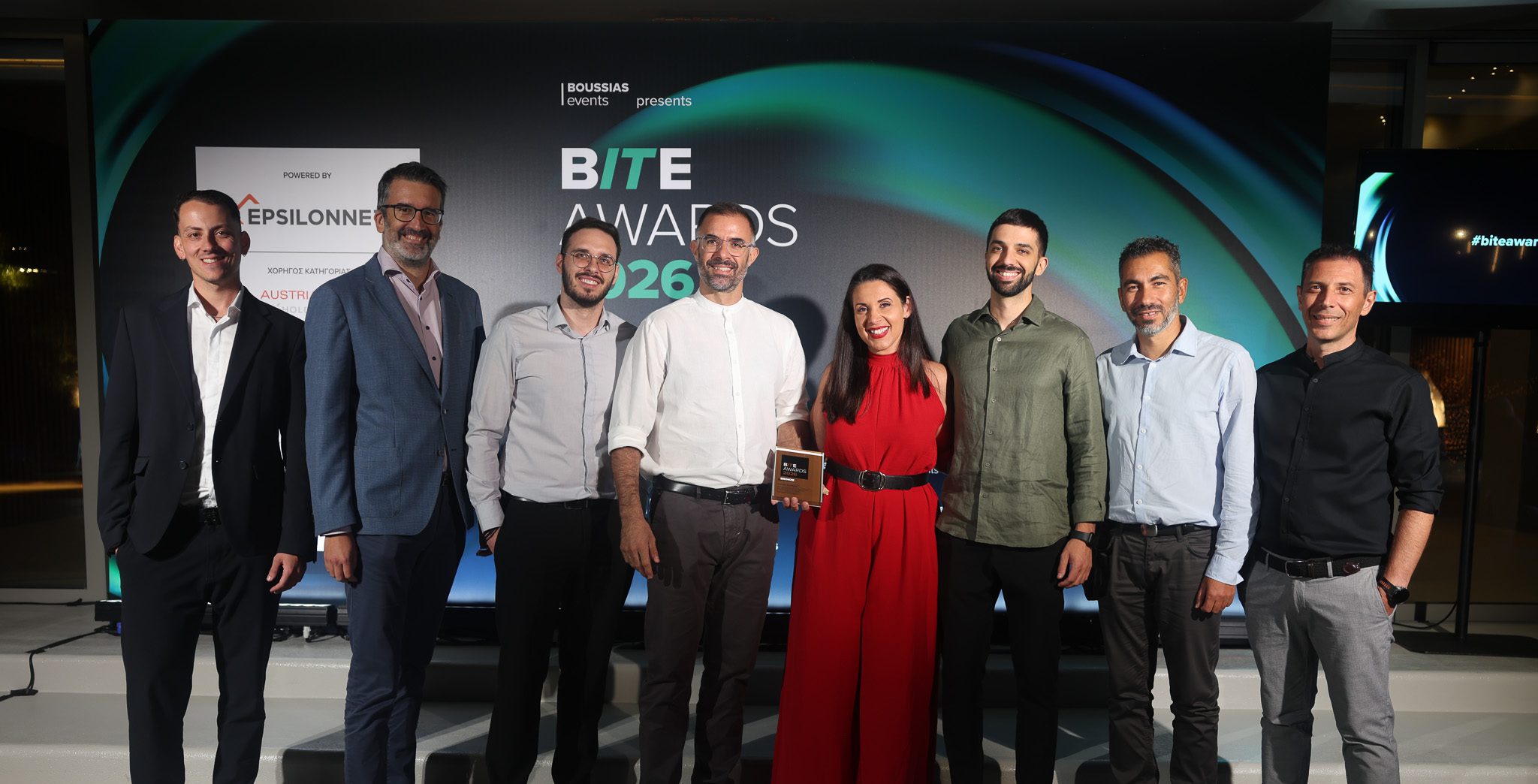
2 awards at the BITE Awards 2026

Jul 21, 2026
Smart Greenhouses: The Sensors Are the Easy Part

Start your journey
Our team of seasoned experts is dedicated to delivering tailored solutions that perfectly align with your specific business needs and objectives. Do you want to help you navigate your path to success?